
Celebrating the farmers, watermen, tradespeople, and local businesses whose work helped build the communities we call home.
As summer begins to wind down and we celebrate Labor Day, our #LingoLegacy journey takes us beyond Delaware's beaches and across Sussex County to recognize the people, industries and family businesses whose hard work helped shape the communities we know today.
For generations, Sussex County has been a place where people made their living from the land and water, built things with their hands, took chances on new ideas and created businesses that would support their families and communities for years to come.
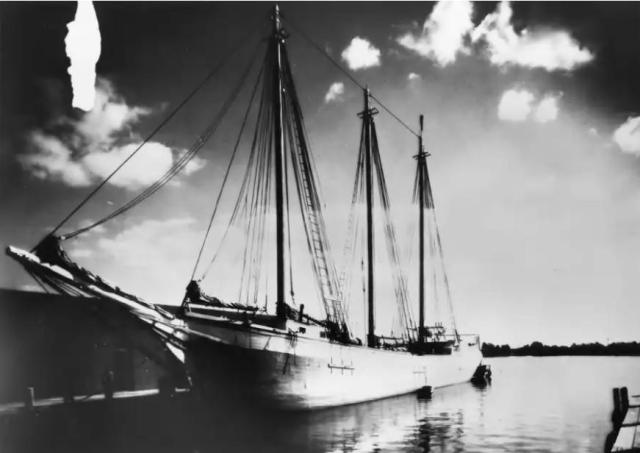
Our journey begins along Broad Creek in Laurel, once part of a thriving wooden shipbuilding corridor that included nearby Bethel and Portsville. Ships were built along the riverbanks, while Laurel's lumber and grain mills supported the growing maritime trade.
As Sussex County's economy changed, so did Laurel. Around 1870, former shipwright Joshua H. Marvil turned his mechanical talents toward another growing industry — manufacturing wooden baskets and crates for the fruits and vegetables being grown throughout the region. By the 1920s, Laurel had become the largest manufacturer of wooden bushel baskets and crates for fruits and vegetables. The connection was simple: Sussex County farmers grew the produce, local workers made the baskets, and railroads and waterways carried those products to markets far beyond Delaware.
Just down Broad Creek, Bethel became known for its shipyards and the distinctive Chesapeake or Nanticoke sailing rams built there. One of those vessels, launched in Bethel in 1900 as the Edwin and Maud, survives today as the Victory Chimes — a lasting reminder of the remarkable shipbuilding industry that once flourished in this small Sussex County community.
Millsboro — Lumber, Baskets and Industry
Our tour also brings us home to Millsboro, where the Houston-White Company became an important part of Sussex County's lumber and manufacturing history. Established in the 1890s, the company operated a sawmill and manufactured wooden baskets, crates, and other containers needed to ship the fruits and vegetables being grown throughout the region.
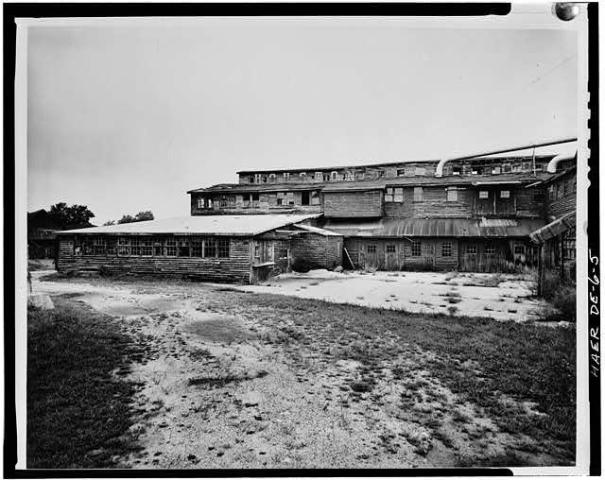
Houston-White acquired timberlands throughout Sussex County and expanded its sawmill operations as the business grew. By 1918, it had become the second-largest producer of baskets in Delaware. With the railroad running alongside the mill — and eventually directly into the facility — timber could arrive, and finished products could be shipped throughout Delaware and the Delmarva region.
Like Laurel's basket industry, Houston-White illustrates how closely connected Sussex County's early industries were. The forests supplied the lumber, local workers operated the mills, farmers filled the baskets, and the railroad carried Sussex County products to market.
Travel north-west to Seaford, and the story changes from wooden ships and agriculture to one of the great industrial innovations of the 20th century. In 1939, DuPont selected Seaford as the site of the world's first nylon manufacturing plant. The plant transformed the community, provided generations of jobs and helped earn Seaford its enduring nickname, "The Nylon Capital of the World."
Nearby Bridgeville and Greenwood tell another part of the Sussex County story — agriculture. Orchards, farms and produce shaped the area's economy for generations. In Bridgeville, T.S. Smith & Sons, established in 1907, became a multi-generational family farming operation. Another familiar Sussex County name, RAPA Scrapple, began in Bridgeville in 1926 when brothers Ralph and Paul Adams created a business whose name combined their own — RAlph and PAul. What began as a local enterprise grew into a brand recognized far beyond Delaware.
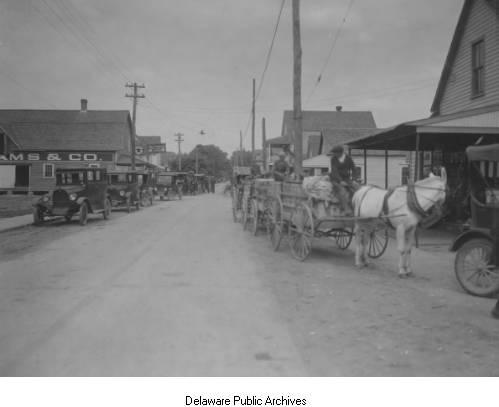
Farther south, Selbyville became closely associated with strawberries and agriculture. Businessman and farmer John G. Townsend Jr., once known as the "Strawberry King," built extensive agricultural interests that included strawberries, peaches and apples. His influence eventually reached far beyond farming into business, transportation and public service.
And then there is a Sussex County story that began almost by accident.
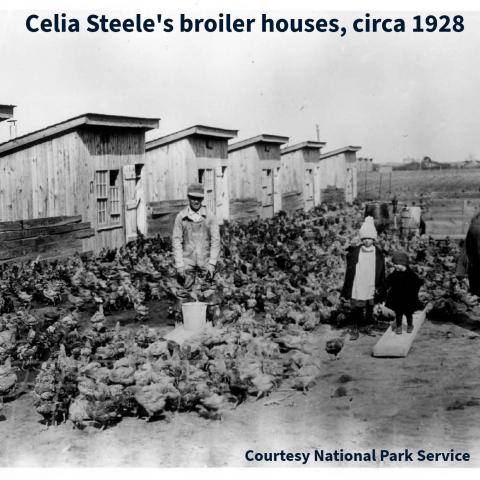
In Ocean View in 1923, Cecile Long Steele ordered 50 chicks and received 500. Rather than dispose of the extras, she raised them for meat. Her success helped demonstrate the possibilities of raising chickens commercially, contributing to the development of an industry that would forever change Sussex County agriculture. Today, poultry remains one of the industries most closely associated with Delmarva.
Across Sussex County, the story repeats itself in different ways. Farmers became entrepreneurs. Shipwrights became manufacturers. Small family businesses grew. New industries replaced old ones. And as transportation improved and visitors discovered Delaware's coast, tourism, construction, real estate and service businesses became increasingly important parts of the county's economy.
From a Sussex County Fishing Family to Oyster Farming
For Sussex County native Alan Davis, working on the water is part of his family history.
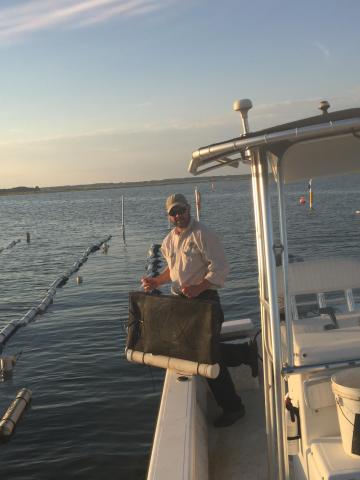
Born in Seaford, raised in a commercial fishing family and now farming oysters in Rehoboth Bay, Alan is part of a new generation helping write the next chapter of Sussex County's working waterfront story. “I think my father would be proud of this business I started as an homage to his years as a commercial fisherman. It’s nice to know we are not only making a go of this commercially, but also contributing to the environmental good.” — Alan G. Davis
Through Inland Bays Shellfisheries and Arrowhead Point Oysters, Alan and his partners are helping grow Delaware's young oyster aquaculture industry — producing a locally grown product while demonstrating how an old Sussex County tradition of making a living from our waters can take on a new form.
And there is another benefit. Oysters are natural filter feeders, helping remove suspended material from the water while providing habitat for other marine life. Oyster farming represents an interesting intersection of Sussex County's working-waterfront heritage, entrepreneurship and stewardship of the Inland Bays.
Some Sussex County industries are new. The roots behind them aren't.
The Lingo family story is part of that evolution.
Our family's Sussex County roots include manufacturing through the Hocker family and the operation on Kings Highway in Lewes that eventually became part of Hocker Manufacturing. The former manufacturing building has itself adapted to changing times and is known today as the Brush Factory, home to a collection of local small businesses.
Jack Lingo's business grew in another direction — helping people find their place in Sussex County. Today, the Jack Lingo family of businesses includes real estate sales, vacation rentals, year-round rentals and development through Jack Lingo Asset Management.
Much has changed across Sussex County. Wooden schooners no longer line the banks of Broad Creek. Millions of wooden baskets aren't leaving Laurel's factories. Nylon no longer defines Seaford as it once did. Agriculture has become increasingly sophisticated, and communities that generations ago seemed far apart are now connected by roads, businesses and people.
But something hasn't changed.
Sussex County continues to be shaped by farmers and watermen, builders and tradespeople, entrepreneurs and family businesses — people willing to work hard, adapt to change and invest in the communities they call home.
The work has changed. The work ethic hasn't.
As Delaware celebrates its 250th Anniversary, we are proud to celebrate the generations of hardworking people who helped build Sussex County — and those who continue building its future today.
From the First Town to Your Home.
#LingoLegacy


